
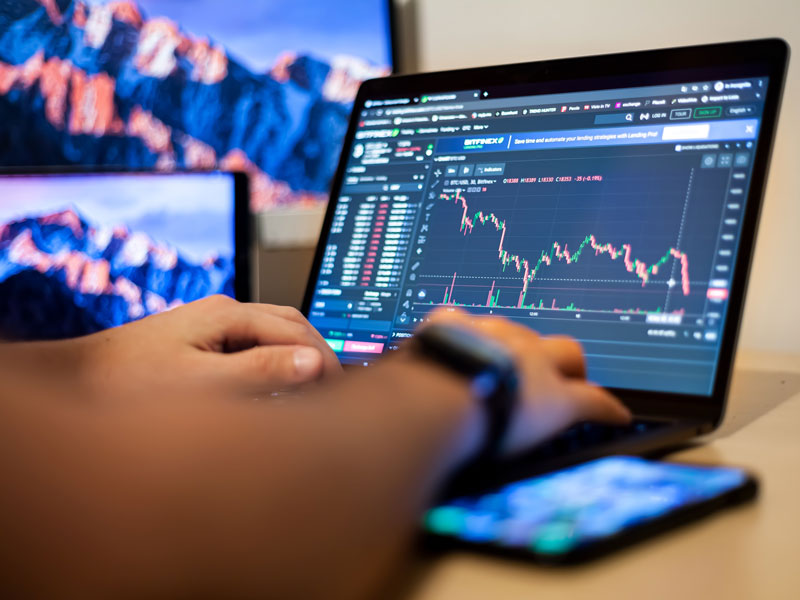
In the world of finance, Forex trading has garnered immense popularity among traders looking to profit from currency fluctuations. However, for Muslim traders, the question remains: is Forex trading halal or haram? The answer to this question is not straightforward and involves a nuanced understanding of Islamic finance principles. In this article, we will explore the regulatory framework of Forex trading in relation to Islamic law, examining concepts such as riba (usury), gharar (uncertainty), and the nature of the instruments traded.forex trading halal or haram https://trading-terminal.com/
Understanding Halal and Haram
To address the question of whether Forex trading is halal or haram, we must first define what these terms mean in Islamic jurisprudence. Halal refers to anything that is permissible under Islamic law, whereas haram denotes actions or items that are prohibited. The principles of halal finance emphasize fairness, transparency, and the avoidance of exploitation, aligning financial practices with Islamic ethical standards.
The Principles of Islamic Finance
Islamic finance is built upon certain principles that distinguish it from conventional finance. These include:
- Riba (Usury): The prohibition of earning interest on loans or transactions, as it is considered exploitative and unfair.
- Gharar (Uncertainty): The avoidance of excessive uncertainty and ambiguity in financial transactions, which can lead to unfair advantages or exploitation.
- Investing in Halal Industries: Funds should be invested in ventures that comply with Islamic law, avoiding businesses related to alcohol, gambling, or other activities considered haram.
- Asset-Backing: Transactions should be backed by tangible assets or services, ensuring that trading remains grounded in real economic activity.
Forex Trading and Islamic Finance
Forex trading involves the buying and selling of currencies in a decentralized market. Traders aim to profit from the fluctuation in currency values. The dynamic nature of Forex trading raises specific questions concerning Islamic principles.
The two main aspects of Forex trading that bear scrutiny are:

- Leverage and Margin Trading: Many Forex brokers offer leverage, allowing traders to control larger positions with smaller amounts of capital. This raises concerns about riba, as the concept of margin trading can involve interest-based borrowing arrangements. Muslim traders must ensure that they avoid accounts that charge interest on borrowed funds.
- Speculation vs. Investment: Forex trading is often considered speculative, which may conflict with the Islamic prohibition against gambling (maysir). Investors must focus on trading strategies that are based on analysis, seeking to mitigate excessive uncertainty and risk.
Halal Forex Trading Accounts
In response to the need for compliant trading, many brokers offer Islamic or “swap-free” accounts. These accounts do not incur overnight interest charges, aligning better with Islamic principles. When choosing a broker, Muslim traders should ensure that:
- They offer swap-free options.
- The broker is reputable and adheres to ethical trading practices.
- There is transparency in fees and transactions.
The Role of Scholars
In navigating the complexities of Forex trading, many traders turn to Islamic scholars for guidance. Various Islamic financial institutions and scholars analyze the trading practices and issue fatwas (legal opinions) regarding their compliance with Sharia. It is crucial for traders to seek advice from knowledgeable sources to ensure their trading practices align with their religious beliefs.
The Arguments For and Against Forex Trading
There are compelling arguments on both sides of the debate regarding the permissibility of Forex trading:

Arguments For Forex Trading
Proponents argue that Forex trading can be halal under certain conditions:
- Forex trading can foster economic growth by facilitating currency exchange for trade and investment.
- If conducted with transparency and ethical intentions, trading can align with the principles of fair financial practice.
- Using swap-free accounts helps mitigate concerns over interest.
Arguments Against Forex Trading
On the other hand, critics cite numerous reasons why Forex trading may be haram:
- The speculative nature of trading can lead to addictive behaviors and financial loss, akin to gambling.
- The involvement of leverage may introduce a level of risk that conflicts with Islamic principles.
- The complexity of the market may lead to a lack of transparency and understanding, which is discouraged in Islamic finance.
Conclusion
The question of whether Forex trading is halal or haram ultimately depends on the nature of the trading practices and the intentions of the trader. For Muslim traders, it is essential to conduct thorough research, utilize swap-free accounts, and seek guidance from reputable scholars in Islamic finance. By doing so, traders can navigate the complexities of the Forex market while adhering to their religious beliefs.
Ultimately, advancing personal financial knowledge and applying Islamic principles to trading practices can create a path toward ethical and potentially profitable endeavors in Forex. As the market continues to evolve, so too will the discussions around its compliance with Islamic law, leaving traders with the responsibility to stay informed and make sound decisions.
Leave a Reply