

Choosing the Best Dental Bur for Optimal Performance
In the world of dentistry, the tools used can significantly impact the quality of care provided to patients. One vital instrument in a dentist’s arsenal is the dental bur. Whether you are a seasoned professional or a dental student, understanding the best dental burs can enhance your practice and improve patient outcomes. From cutting and shaping teeth to preparing cavities for fillings, the right bur makes all the difference. For the best selection of best dental bur https://dental-rotors.com/product-category/dental-burs/diamond/, it’s essential to consider various factors.
What is a Dental Bur?
A dental bur is a rotary cutting tool used in dental procedures. Generally made of high-speed steel or tungsten carbide, burs come in various shapes and sizes suited for specific applications. Typically attached to a dental handpiece, these tools are essential for drilling, shaping, and finishing various dental materials, such as enamel, dentin, and other restorative substances.
Types of Dental Burs
Dental burs are categorized based on their shape, material, and intended use. The most common types include:
- Flat-end Tapered Burs: Used for cavity preparation and tooth reduction.
- Round Burs: Ideal for initial cavity access and creating retentive features in preparations.
- Fissure Burs: Perfect for creating fissures in the preparation.
- Diamond Burs: Known for their efficiency in cutting through hard materials and finishing restorations.
- End Cutting Burs: Designed to cut on the end of the bur, these are particularly useful for cavity preparation.
Factors to Consider When Choosing Dental Burs
Selecting the right bur is crucial for several reasons including the type of procedure you’re performing, the material of the tooth structure, and the experience level of the dentist. Here are some factors to consider:
1. Material
Dental burs are primarily made from either tungsten carbide or diamond. Tungsten carbide burs are durable, cost-effective, and are suited for cutting softer tooth tissues. Diamond burs, on the other hand, are ideal for shaping and finishing hard materials, making them preferred for procedures involving ceramic or composite materials.
2. Size and Shape
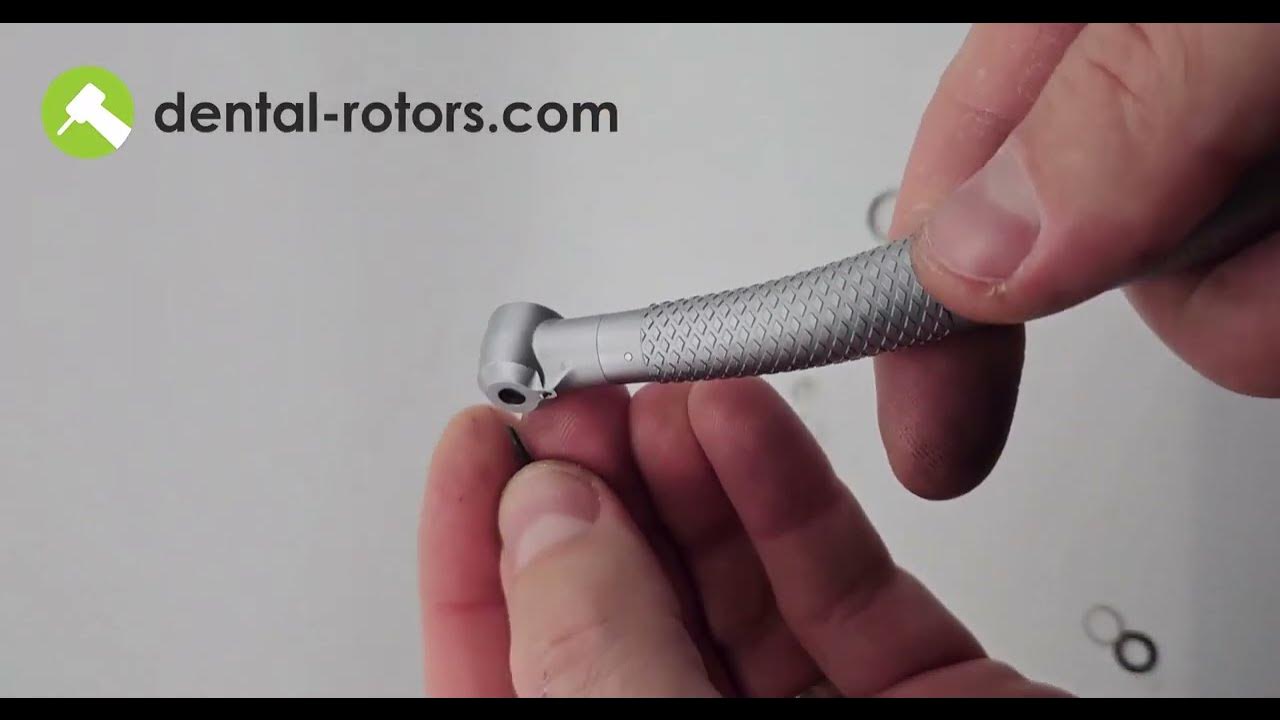
Each dental procedure may require a different size or shape of bur. Ensure that you have a variety of sizes and shapes at your disposal to accommodate various clinical situations. For example, round burs are typically used for making initial entry points, while tapered or flat-end burs are better for finishing.
3. Coarseness
The coarseness or grit of a dental bur influences its cutting efficiency. Coarser burs remove material quickly but can leave a rough surface, while finer burs are better for smoothing and polishing. It’s ideal to have both coarse and fine burs available based on your needs.
4. Handpiece Compatibility
Ensure that the burs you select are compatible with your dental handpiece. Some burs fit high-speed handpieces, while others are better suited for low-speed handpieces. Understanding these specifications is essential to prevent any mishaps during procedures.
Benefits of Using High-Quality Dental Burs
Investing in high-quality dental burs can significantly enhance the quality of your work. Some benefits include:
- Precision: High-quality burs provide better control and precision, which is vital for delicate procedures.
- Efficiency: They can cut more effectively, reducing the overall time spent on each procedure.
- Reduced Chair Time: With effective cutting and finishing, patients spend less time in the chair, improving their overall experience.
- Longevity: Quality dental burs tend to last longer, providing you with better value for your investment.
Maintenance of Dental Burs
Proper maintenance and care of dental burs can extend their lifespan and maintain their performance. Here are some maintenance tips:
- Cleaning: After each use, clean your burs thoroughly to remove debris and any bonding materials. Autoclaving them can help maintain their sterility.
- Inspection: Regularly inspect burs for any signs of wear or damage. Using a damaged bur can compromise the quality of the procedure and may increase the risk of complications.
- Storage: Store burs in a dry environment to prevent rust or degradation. Use a bur block or tray to keep them organized and protected.
Conclusion
Choosing the best dental bur is essential for the efficiency and quality of dental procedures. Consider the type of material, size, shape, and compatibility with your handpiece when making your selection. Additionally, investing in high-quality burs can enhance your practice and provide better patient outcomes. Remember to keep your burs well maintained for optimal performance. With the right knowledge and tools, you can ensure that your dental practice meets the highest standards of care for your patients.
Leave a Reply