
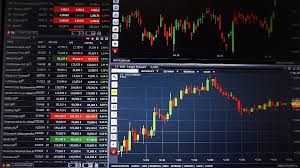
Forex Trading Software Development: Revolutionizing the Trading World
In the rapid-moving world of financial markets, forex trading software developer Trading Vietnam forex trading software development has become a cornerstone for traders seeking to gain an edge. With the increasing complexity of trading strategies and the demand for real-time analytics, specialized software solutions are more important than ever. This article delves into the roles of forex trading software developers, the technologies involved, and the future of trading software development in the forex market.
The Importance of Forex Trading Software
Forex trading software is essential for modern-day traders. It allows for the automation of trading strategies, data analysis, and risk management, enabling investors to make informed decisions quickly. In a market that operates 24 hours a day, traders cannot afford to lag behind; hence, having reliable software makes a colossal difference.
Moreover, advanced software solutions can analyze vast amounts of market data in real-time. This capability helps identify trends, predict market movements, and execute trades at lightning speed, often setting the stage for significantly improved profitability.
The Role of a Forex Trading Software Developer
The role of a forex trading software developer is multifaceted. These professionals are not just coders; they are problem solvers and innovators. They must understand the complexities of financial markets, trading strategies, and software technologies. Here are some key responsibilities:

- Requirement Analysis: They work with traders and financial analysts to gather requirements and understand the specific needs of the software being developed, including compliance issues and user experience.
- Software Design: Based on the requirements, developers create software architecture and design user interfaces that allow for seamless interactions.
- Programming: Developers write code in various programming languages, such as Java, Python, or C++, and use libraries and APIs to facilitate trading operations.
- Testing and Deployment: Before software goes live, it undergoes rigorous testing to catch bugs and ensure functionality. Developers often are involved in the deployment phase, ensuring that everything runs smoothly.
- Maintenance and Support: Post-deployment, developers continue to monitor software performance, make updates, and provide technical support to users.
Technologies Used in Forex Trading Software Development
Forex trading software development employs various technologies and frameworks. Understanding these is crucial for aspiring developers:
Programming Languages
The choice of programming language can greatly affect the performance and capabilities of trading software. Commonly used languages include:
- Python: Known for its simplicity and readability, Python has become a favorite among traders for developing trading bots and algorithmic strategies.
- C++: Due to its execution speed, C++ is perfect for high-frequency trading systems where milliseconds can make a meaningful difference.
- Java: Leveraged for its portability and robust frameworks, Java is widely used for developing multi-threaded trading applications.
APIs
APIs (Application Programming Interfaces) are crucial for integration with trading platforms. Many brokers offer APIs that allow developers to access market data, execute trades, and manage accounts programmatically. Learning how to work with these APIs is essential for any trading software developer.
Big Data Technology
As data analytics becomes a vital part of trading strategies, technologies related to big data are gaining importance. Tools like Hadoop, Spark, and database management systems (DBMS) help in processing large datasets efficiently, allowing for deeper insights and informed decisions.

Challenges in Forex Trading Software Development
While the field of forex trading software development is exciting, it also comes with its share of challenges:
- Market Volatility: The forex market can be unpredictable. Developers must account for this by creating solutions that can handle abrupt market changes and vast amounts of data.
- Security: Cybersecurity is a major concern. Trading software developers must incorporate robust security measures to protect users’ data and funds against hacking attempts.
- Regulatory Compliance: Financial markets are heavily regulated. Developers must ensure that their software adheres to the various compliance standards set by governing bodies to avoid legal repercussions.
The Future of Forex Trading Software Development
The future of forex trading software development looks promising, with advancements in artificial intelligence (AI) and machine learning driving innovative solutions. AI-driven algorithms can analyze vast amounts of historical and real-time data for patterns, allowing for more accurate trading signals. Additionally, developments in blockchain technology could lead to greater transparency and security in trading operations.
As technology continues to evolve, so will the expectations of traders. Developers will need to stay ahead of these trends, continually integrating cutting-edge technologies to keep their software solutions competitive in an ever-changing environment.
Conclusion
The role of forex trading software developers is critical in today’s financial landscape. By creating innovative, robust, and user-friendly software, these professionals shape the way traders interact with the market. As we look toward the future, embracing new technologies will be vital for developers aiming to enhance trading experiences and maximize profitability. Whether you are a budding developer or an experienced trader, understanding the elements of forex trading software will help you navigate this exciting field successfully.
Leave a Reply